
The Ultimate Guide to Roof Insulation – Thermal Insulation, Waterproofing & Long-Term Durability
Introduction
Roof insulation is a critical structural component of every properly built roof. Without a complete insulation system, even high-quality roofing constructions suffer from energy losses, moisture problems and premature deterioration. Correct design and professional installation ensure indoor comfort, structural protection and long-term energy efficiency.
Why Roof Insulation Is Essential
- Significantly reduces heat loss during winter.
- Limits overheating and heat accumulation during summer.
- Stabilizes indoor temperature throughout the year.
- Protects the roof from moisture and condensation.
- Extends the overall lifespan of the roof structure.
What a Proper Roof Insulation System Includes
Roof insulation is not a single layer of material. It is a combination of systems that work together as a whole:
- Thermal insulation to reduce heat transfer.
- Waterproofing to prevent water penetration.
- Breathable membranes for vapor control.
- Roof ventilation systems to avoid condensation.
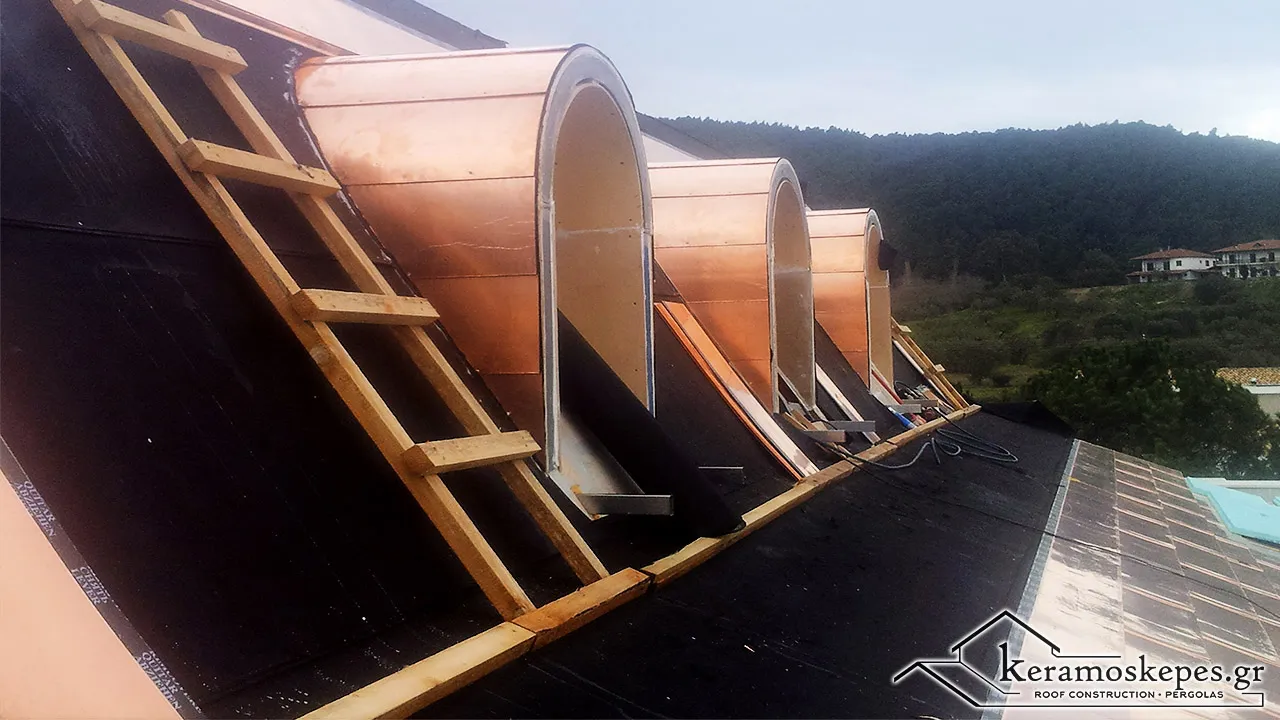
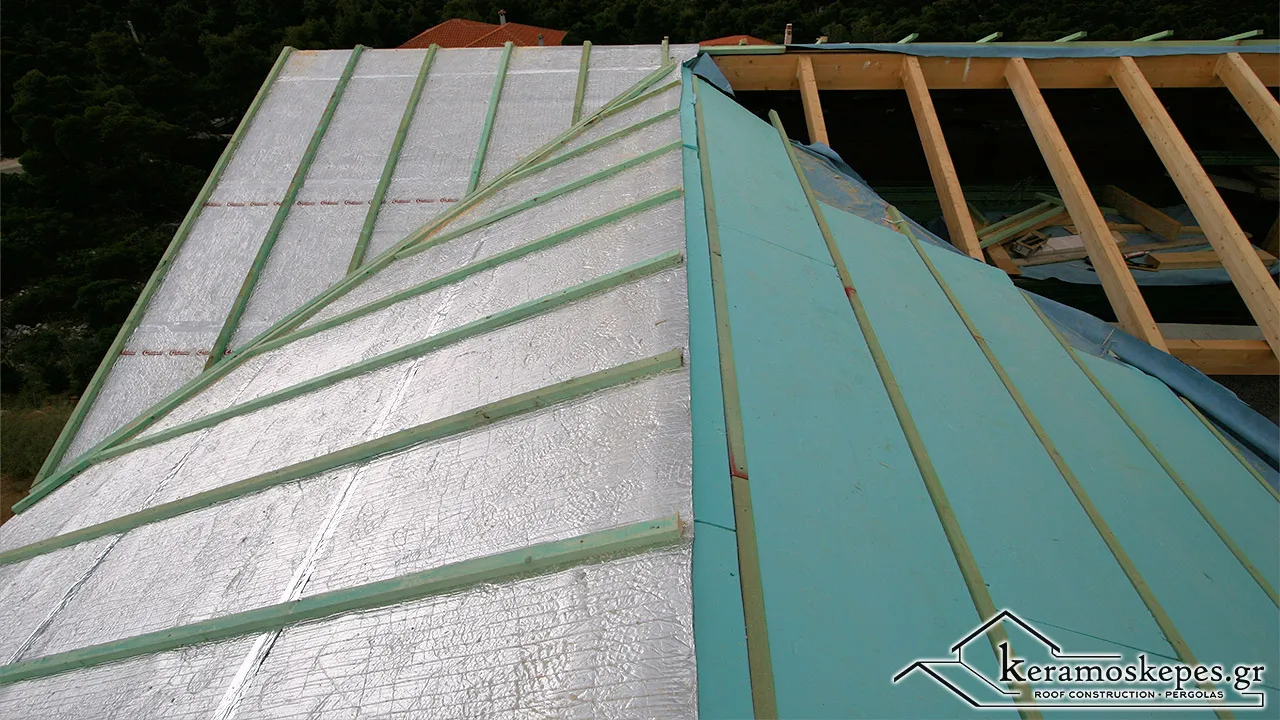
Types of Roof Thermal Insulation
Extruded Polystyrene (XPS)
A high-density insulation material with excellent resistance to moisture and mechanical loads. Commonly used in roofs where durability, dimensional stability and low water absorption are required.
Expanded Polystyrene (EPS)
A cost-effective thermal insulation solution suitable for standard applications. Offers reliable thermal performance when properly protected and installed.
Rock Wool (Stone Wool)
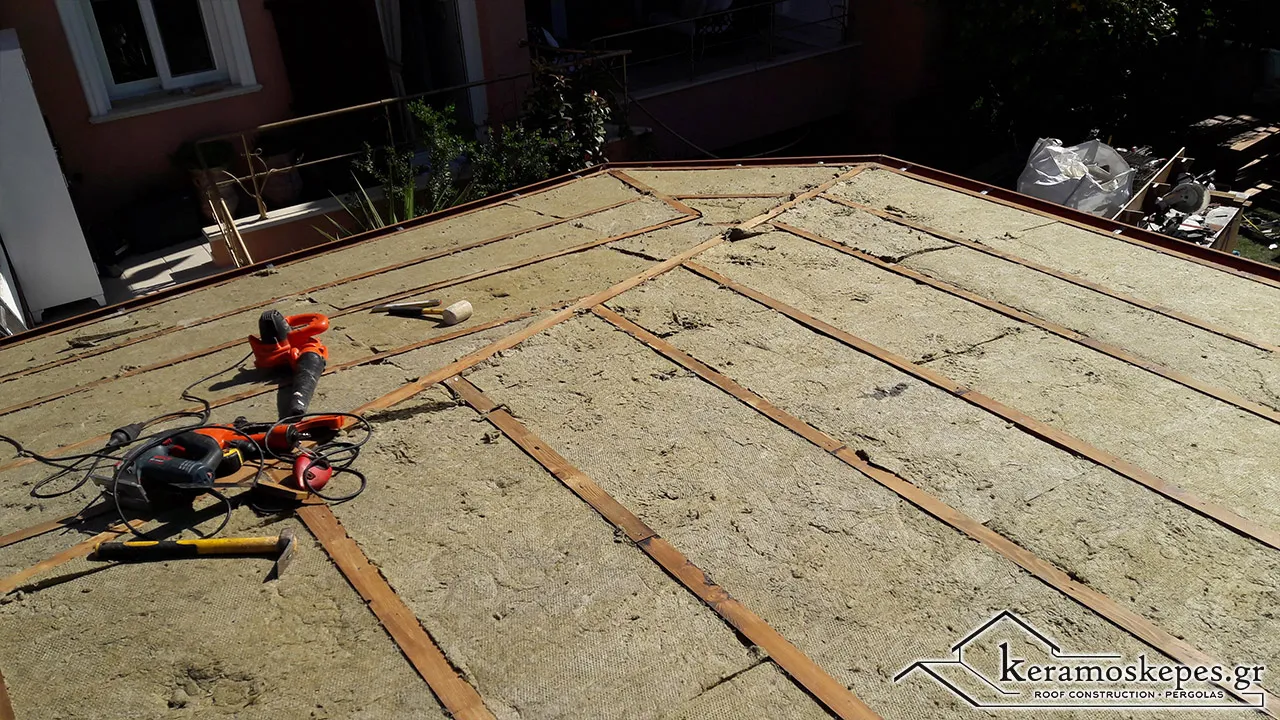
A mineral-based insulation material with very good thermal and acoustic performance. It provides excellent fire resistance and is widely used in timber roof constructions. Proper breathable membranes and effective ventilation are essential to maintain long-term performance.
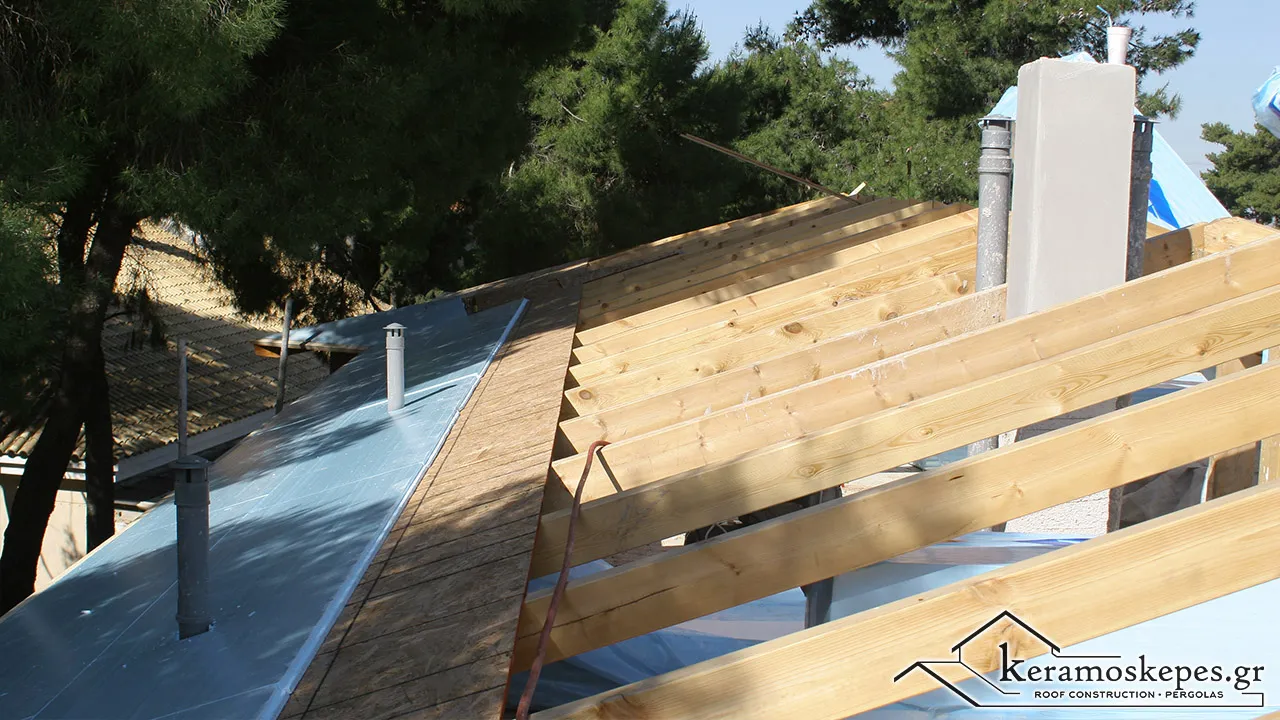
Polyurethane
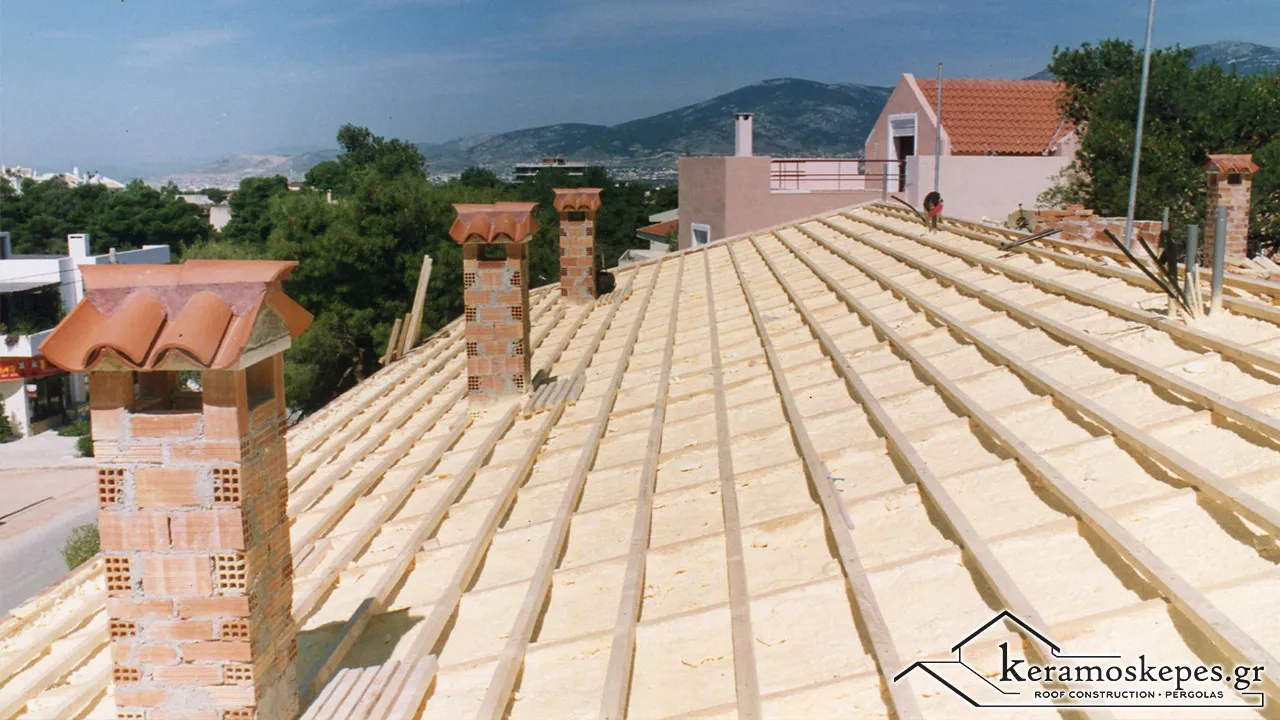
A high-performance insulation material with very high thermal resistance at minimal thickness. Ideal for complex roof details and areas where available space is limited.
Reflective Insulation Membranes
Reflective membranes reduce radiant heat transfer by reflecting solar radiation. They significantly lower thermal load, especially during summer months. Reflective membranes do not replace thermal insulation, but they enhance the overall efficiency of the insulation system.
Roof Waterproofing
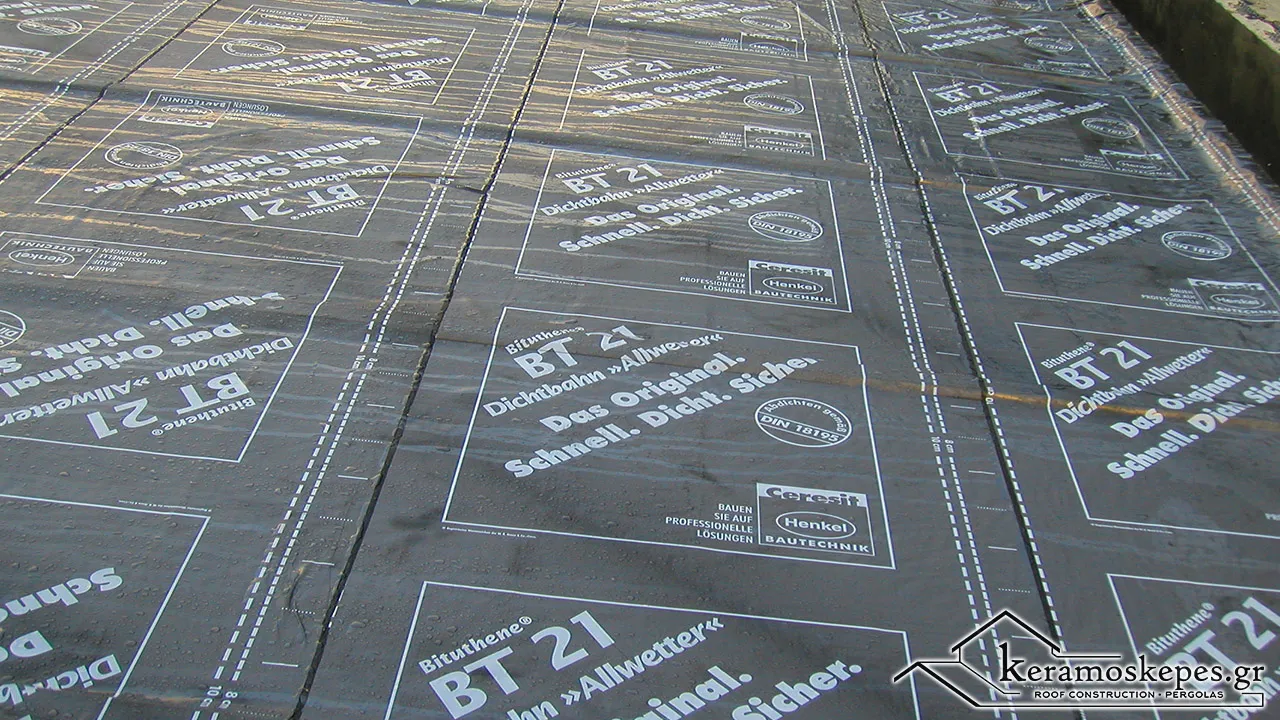
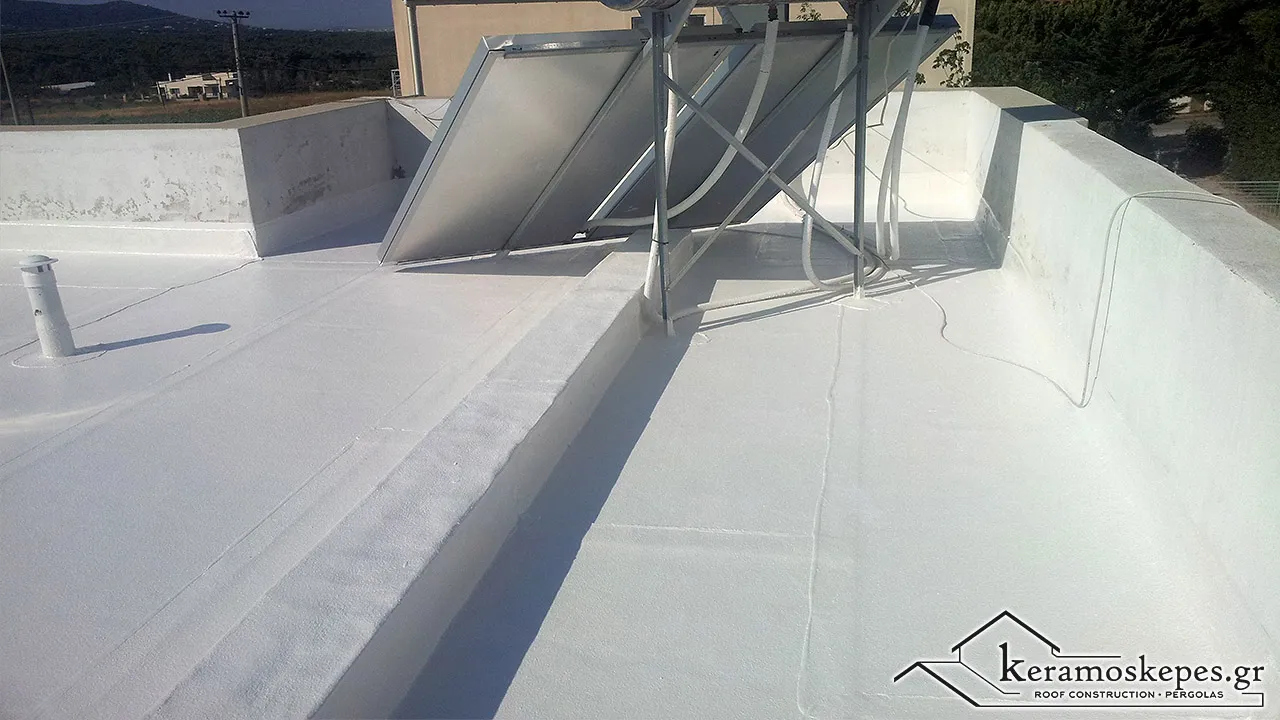
Waterproofing protects the roof structure from water ingress, moisture accumulation and structural damage. Inadequate waterproofing is one of the most common causes of long-term roof failures.
Breathable Membranes & Roof Ventilation
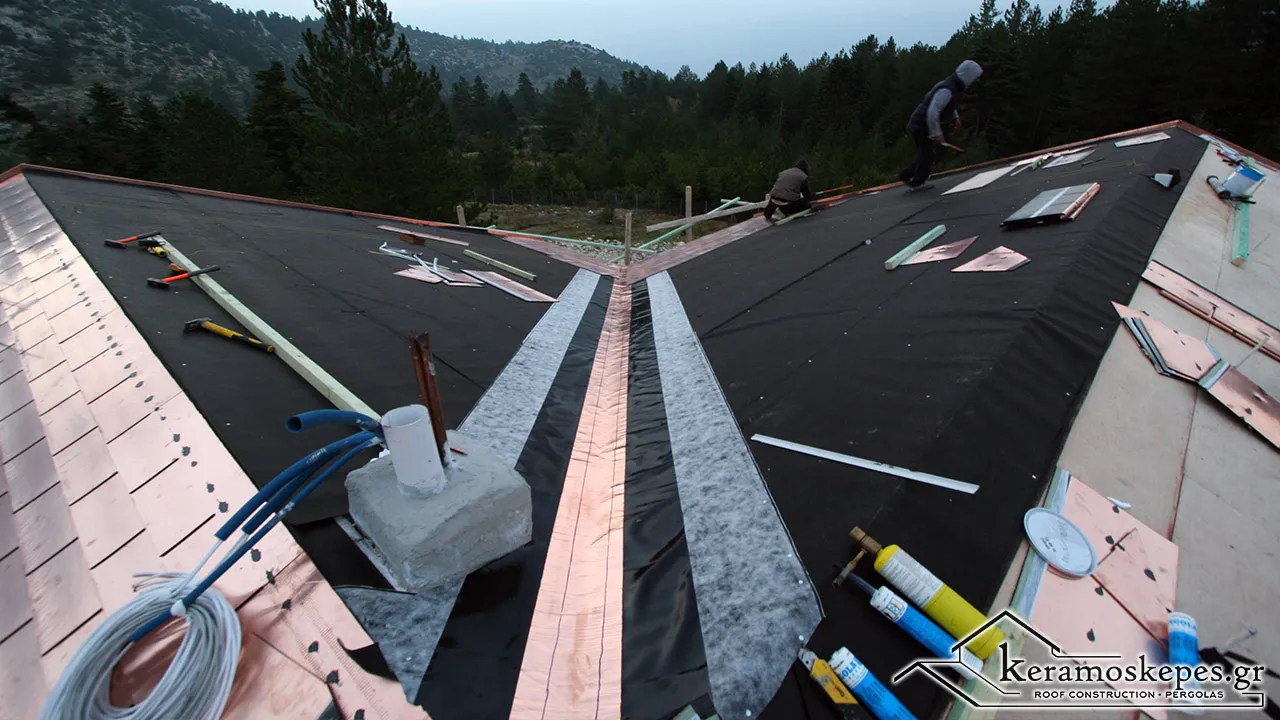
Breathable membranes allow water vapor to escape while preventing external water penetration. Proper roof ventilation is essential for preserving insulation performance and protecting timber structures over time.
Key Technical Criteria for Roof Insulation Selection
- Thermal performance relative to local climate conditions.
- Resistance to moisture and condensation.
- Fire behavior, especially in timber roof constructions.
- Mechanical strength and long-term dimensional stability.
- Compatibility with the roofing system and structure.
Common Roof Insulation Mistakes
- Incorrect combination of insulation materials.
- Insufficient roof ventilation.
- Poor installation without proper technical planning.
- Use of materials not suitable for roof applications.
Our Approach to Roof Insulation
Each roof insulation project is evaluated individually, based on roof geometry and actual building requirements. Our objective is to deliver insulation systems that offer real durability and long-term value to the owner.
Contact Us
If you are planning insulation for a new or existing roof, we can guide you with technically sound and honest recommendations, without any obligation.
For proper roof construction sequence and overall roof structure, see the Tile Roof Construction Guide.
Frequently asked questions about roof insulation
Why is proper roof insulation important?
Proper roof insulation reduces heat loss, prevents moisture problems, improves energy efficiency and significantly extends the lifespan of the roof structure.
Which materials are used for roof thermal insulation?
Common roof insulation materials include extruded polystyrene (XPS), expanded polystyrene (EPS), mineral wool and polyurethane, depending on structural and climatic requirements.
What is the role of breathable membranes?
Breathable membranes allow water vapour to escape while preventing water ingress, protecting insulation layers and timber roof structures.
Is roof ventilation necessary?
Yes. Proper roof ventilation prevents condensation, reduces overheating and ensures the long-term performance of insulation systems and roof structures.