
Guide to Tile Roofing – Quality, Tradition & Durability
Introduction
A tile roof is not simply a structural component of a building. It plays a key role in protection, aesthetics, thermal behaviour, & the overall character of a property. From traditional settlements to modern residential projects, tile roofing remains one of the most enduring & reliable solutions.


Why Choose Tile Roofing
- High resistance to weather exposure, including heat, frost & strong winds.
- Contributes to natural thermal insulation & a stable indoor climate.
- Adapts well to both traditional & contemporary architectural styles.
- Made from natural materials, with a low environmental footprint.
- Long service life & limited maintenance requirements.
Materials and Construction Principles
The performance of a tile roof depends largely on correct design & material selection. The timber structure must be properly engineered & protected against moisture and biological degradation. Tile selection should consider roof load, climate conditions & architectural context.
Waterproofing layers, breathable membranes & correct roof ventilation are essential elements for long-term durability & functional performance.
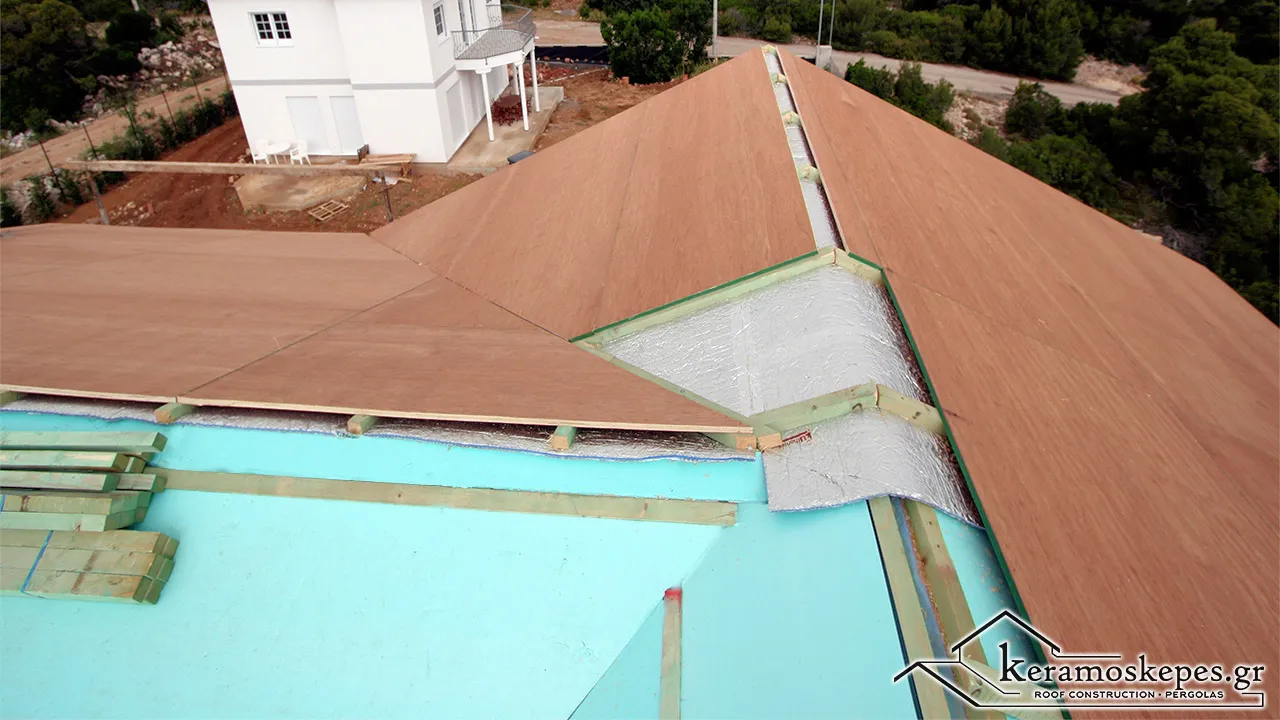

Practical Considerations & Common Tile Roofing Mistakes
Roof Slopes & Water Drainage
Correct roof slope is critical for effective rainwater drainage. Insufficient slopes or improper tile placement can lead to water penetration, moisture issues & premature deterioration of the roof structure, especially in regions with heavy rainfall.
Common Issues in Older Tile Roofs
In older buildings, problems are rarely limited to the tiles themselves. Structural timber degradation, outdated waterproofing & temporary or poorly executed repairs often result in recurring failures & increased long-term maintenance costs.
Tile Roofing in Mountain & Frost-Prone Areas
In mountainous regions with frost & snowfall, tile roofing requires careful technical planning. Proper slope, adequate ventilation & the use of durable materials are essential to prevent condensation, frost damage & excessive structural loads caused by snow accumulation.
Main Types of Tile Roofs
- Traditional tile roofs: Commonly used on stone houses & buildings with local or historical character, typically employing classic clay tile profiles.
- Contemporary tile roofs: Applied to modern constructions, combining clean geometry & improved thermal and structural performance.
- Integrated roofing solutions: Roof systems incorporating skylights, drainage components & detailed waterproofing at critical junctions.
- Refurbishment of existing tile roofs: Focused on restoring functionality, reinforcing the structure & improving thermal behaviour while preserving the building’s character.


Durability and Warranties
A properly designed & constructed tile roof can perform reliably for several decades. Clear warranty terms & long-term technical support are important indicators of construction quality & overall project reliability.
Cost and Long-Term Value
The cost of a tile roof should be evaluated in relation to service life, performance & long-term protection. Correct construction significantly reduces future repair & maintenance expenses.
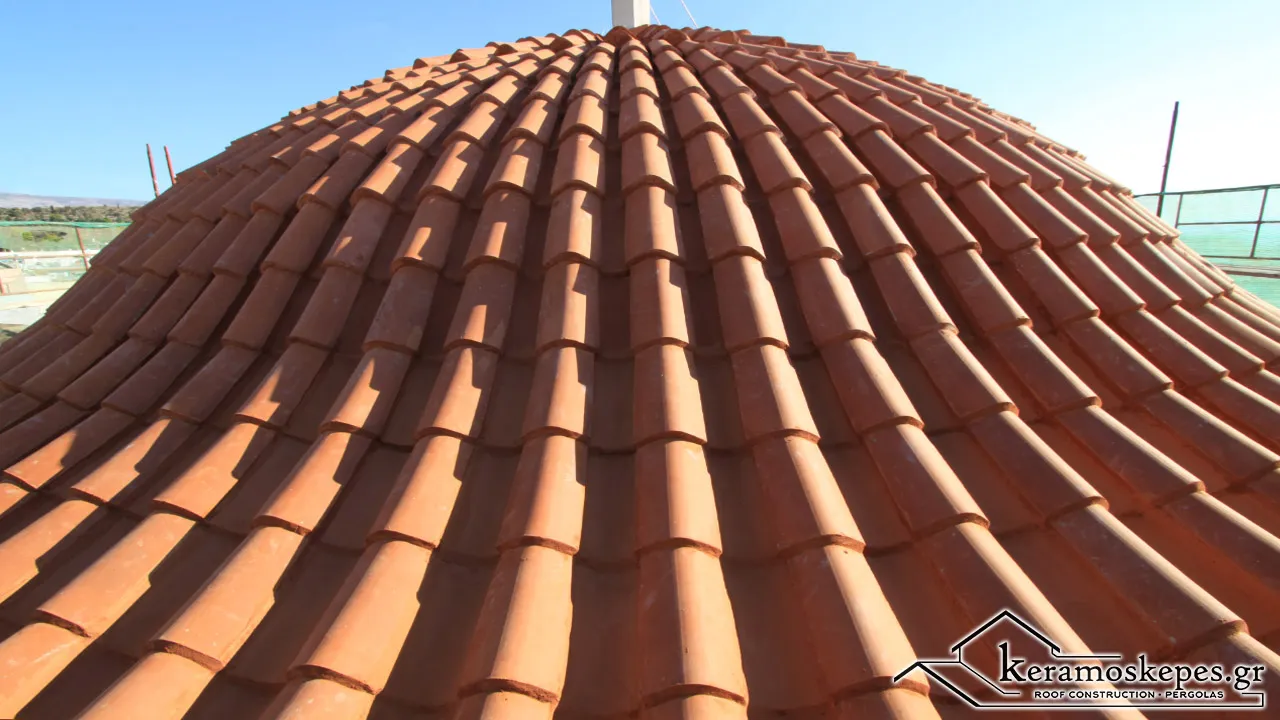
What Can Be Observed in Project Photographs
Photographic documentation helps illustrate different construction approaches & technical details. Real project examples provide useful insight into how design choices perform in practice.

Final Remarks
Tile roofing remains a timeless & reliable solution when designed & executed according to sound technical principles. Proper understanding is the first step toward making an informed & successful choice.
For insulation layers, breathable membranes and overall roof performance, see the Roof Insulation Guide.
Frequently asked questions about tile roofs
What is a properly constructed tile roof?
A properly constructed tile roof consists of a structural timber framework, continuous waterproofing layers, breathable membranes, correct ventilation and professionally installed tiles designed for long-term durability.
Is roof ventilation necessary for tile roofs?
Yes. Roof ventilation is essential to prevent moisture accumulation, timber decay and overheating, significantly extending the lifespan of the roof structure.
What materials are used in modern tile roof systems?
Modern tile roof systems combine structural timber, clay or concrete tiles, breathable waterproof membranes, insulation layers and dedicated ventilation components.
Can old tile roofs be reinforced or renovated?
Yes. Existing tile roofs can be reinforced by upgrading the timber structure, improving waterproofing, adding insulation and replacing worn tiles while preserving the building’s architectural character.